
In most egg tray sourcing projects, mold cost does not look urgent at the beginning. Buyers usually focus on unit price, material choice, or delivery time. Tooling often enters the discussion later—usually after quotations start coming in and numbers look higher than expected.
Once production scale increases, however, mold investment quickly becomes unavoidable. For many suppliers and buyers, tooling is not a supporting cost but a structural cost that shapes pricing, capacity, and long-term supply stability. Understanding where these costs come from is not an engineering exercise; it is a procurement necessity.
This article looks at egg tray mold costs from a buyer’s decision perspective, focusing on tooling design, cavity configuration, durability, and total ownership cost rather than isolated technical specifications.
Tooling Design: Why Mold Prices Vary So Widely
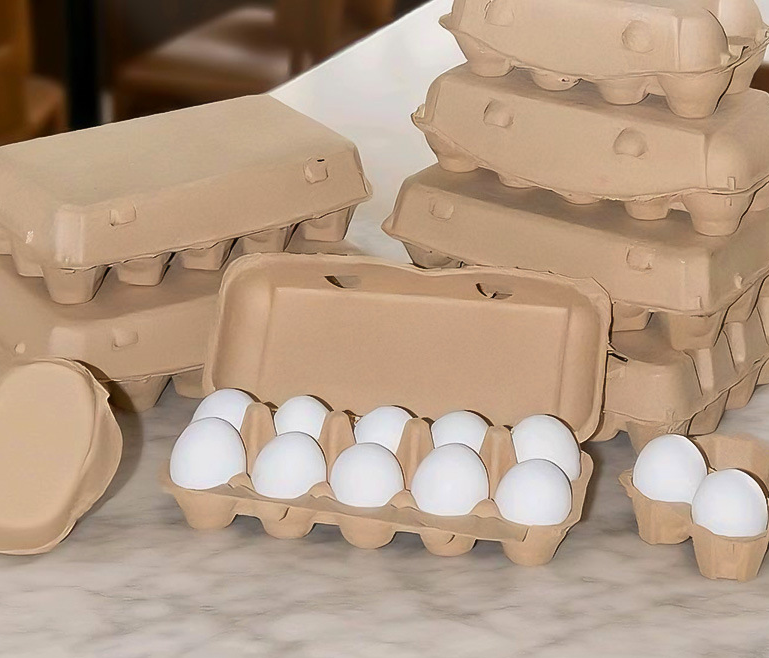
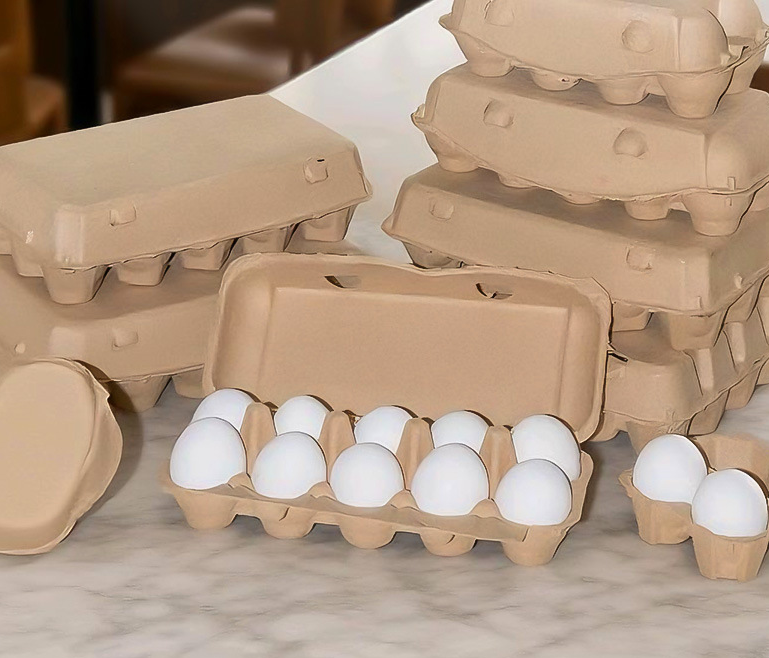
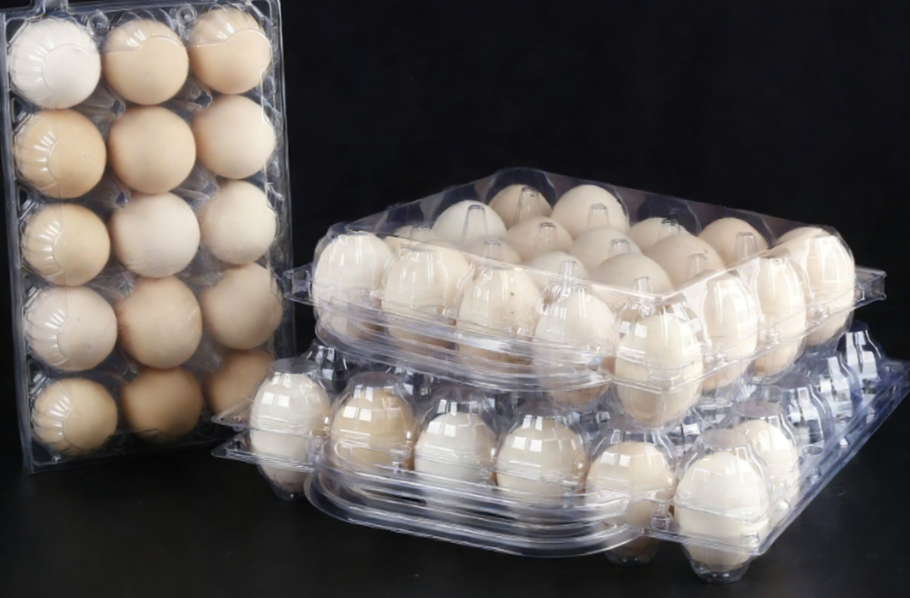
Egg tray molds are built for two fundamentally different production systems: pulp molding and plastic injection molding. Although both produce trays that look similar on the surface, the engineering logic behind the molds is not comparable.
Pulp molding tooling: structure over precision
In pulp egg tray production, mold cost is heavily influenced by structural design choices rather than micron-level accuracy. One of the first pricing differences comes from metal selection. Stainless steel molds cost more than aluminum, but the decision is rarely about appearance or branding. Stainless steel tolerates long-term exposure to moisture, heat, and chemical cleaning far better, especially in high-cycle production environments.
Another factor is the forming surface structure. Finer mesh designs improve fiber distribution and reduce weak spots, but they increase machining effort and maintenance workload. Similarly, vacuum channel layout plays a larger role than many buyers expect. Even suction distribution improves forming consistency but adds complexity to mold fabrication.
These design decisions may not be visible in finished trays, yet they account for a significant portion of tooling price differences between suppliers.
Injection molds: cost hidden inside the mold
Injection mold pricing behaves differently. Here, cost increases are driven by what happens inside the mold rather than on its surface. Cooling channel design is a major contributor. Well-designed cooling systems reduce cycle time and deformation but require additional machining and testing.
Ejection mechanisms are another hidden cost area. Simple ejector pin systems are economical, while complex release structures—often required for deeper trays or tighter stacking tolerances—add both machining and assembly cost. Tolerance control also matters. Trays intended for automated packing lines require stricter dimensional accuracy, which increases tooling cost long before production starts.
Customization always raises tooling cost
Customization is often underestimated during early discussions. Adapting molds for different egg sizes means redesigning cavity geometry, not simply scaling dimensions. Capacity changes—from 6-egg to 30-egg trays—affect mold footprint, material flow, and structural reinforcement.
Each customization layer adds engineering hours and testing cycles, which explains why tooling quotes often rise sharply after specifications are finalized.
Mold Type Comparison: When Higher Investment Makes Sense
Pulp molding molds typically require a lower upfront investment, making them attractive for small or mid-scale operations. Injection molds demand higher initial spending but offer advantages in consistency, speed, and durability.
The mistake many buyers make is evaluating these options only on purchase price. When production volumes grow, injection molds often reach cost recovery faster than expected due to higher output efficiency and lower defect rates. Conversely, pulp molds remain cost-effective when production runs are shorter or market demand is uncertain.
There is no universally cheaper option—only one that fits the production reality better.
Cavity Configuration: Output Is Not Free
Cavity count directly affects mold price, but the relationship is not linear. Moving from one cavity to four increases tooling cost significantly. Increasing from eight to twelve cavities, however, often adds less incremental cost because key systems are shared.
From a sourcing perspective, cavity selection should follow realistic output planning. Buying a high-cavity mold without matching downstream capacity leads to idle tooling rather than savings.
In pulp molding systems, capacity expansion often relies on running multiple molds simultaneously instead of increasing cavities within a single mold. While this approach raises equipment investment, it reduces dependency on a single tooling set and improves operational resilience.
Mold Lifespan: Cost Spread Over Time
Tooling lifespan determines whether a mold is expensive or economical in practice.
Pulp molds experience gradual wear, especially in mesh areas exposed to fiber abrasion and frequent cleaning. With proper maintenance, they can run reliably, but mesh replacement is inevitable and should be treated as a planned cost rather than an exception.
Injection molds operate under high pressure and temperature, making steel grade selection critical. Lower-grade steels reduce upfront cost but shorten service life. Higher-grade materials increase tooling price but stabilize performance over extended production cycles.
Design also matters. Even pressure distribution, corrosion-resistant coatings, and replaceable inserts all extend usable life. These features rarely reduce initial quotes, but they significantly lower long-term disruption.
Maintenance and Downtime: The Cost Nobody Quotes
Maintenance costs are predictable; downtime is not.
Pulp molds require routine cleaning and vacuum system upkeep. Injection molds demand scheduled lubrication and cooling system maintenance. While injection molds appear more expensive to maintain, their maintenance cycles are usually easier to plan.
Unexpected downtime is where tooling decisions become visible. A failed mold during peak season can halt production entirely. For this reason, experienced buyers often invest in backup tooling or modular mold components, even when initial budgets are tight.
Manufacturing Quality and Origin Effects

Tooling cost is also shaped by where and how molds are produced. Higher machining precision, certified quality systems, and material traceability all increase mold prices, but they reduce variability during production.
Molds produced in China generally offer lower entry costs, while European and North American molds command premiums linked to labor and compliance costs. Many buyers choose a middle path: sourcing molds from Asia while specifying steel grades, tolerances, and inspection standards that match their operational requirements.
Total Cost of Ownership: A Practical View
Evaluating mold cost without context leads to poor decisions. A more reliable approach considers total cost of ownership.
Initial investment includes tooling price, installation, testing, and auxiliary equipment. Operating costs include energy consumption, maintenance, and spare parts. When these are divided across expected output, the real cost per tray emerges.
Lower-cost molds often perform well in small-scale production. In high-volume programs, higher tooling investment usually results in lower unit costs and fewer disruptions.
Supplier Evaluation: Beyond the Quote
Tooling price alone does not define value. Technical support, warranty coverage, spare part availability, and response speed during failures all affect long-term performance.
Suppliers who understand production realities—not just mold fabrication—tend to deliver better outcomes, even if their tooling prices are not the lowest.
Closing Thought
Egg tray mold costs are shaped by design decisions, production scale, and risk tolerance—not by a single line item on a quotation. Buyers who approach tooling as a long-term investment rather than a one-time expense gain more stable supply, predictable costs, and fewer operational surprises.
In competitive packaging markets, that difference is rarely theoretical—it shows up directly in margins, delivery reliability, and supplier relationships.