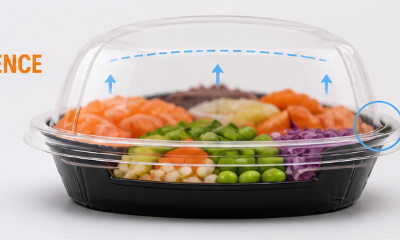
If you run a sushi or poke-focused delivery business, you’ve likely seen it happen: a customer opens the lid and finds everything soaked, rice compressed, and presentation ruined. This isn’t just a packaging flaw—it directly leads to refunds, lower ratings, and repeat...
Packaging Applications & Use Cases
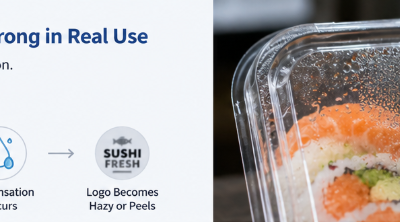
How to Ensure Your Custom Logo on the Sushi Bowl Withstands Condensation
In real procurement scenarios, logo failure is rarely a “design issue.” It’s almost always a mismatch between packaging decisions and actual usage conditions. Many food brands focus heavily on how the logo looks during sampling—sharp print, strong contrast, premium...
Top 10 Espresso Cup Manufacturers In Italy For Wholesale Coffee Packaging
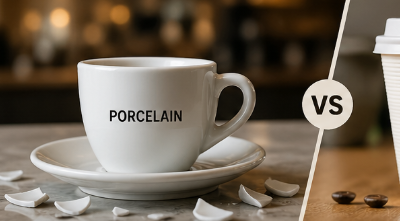
In Italy, espresso is usually associated with thick porcelain cups, small bars, and quick service at the counter. But if you look at how coffee is being consumed today—especially takeaway, delivery, and chain operations—the materials are changing. Plastic, recyclable...
Are Your Espresso Cups Affecting Temperature and Crema Stability?
Most cafés don’t question their cups until something starts to feel slightly off. The espresso still looks good at the machine, the recipe hasn’t changed, and the workflow seems stable—yet the drink that reaches the customer feels lighter, cooler, or less consistent...
How to prevent toppings from mixing in sushi bowls during transport
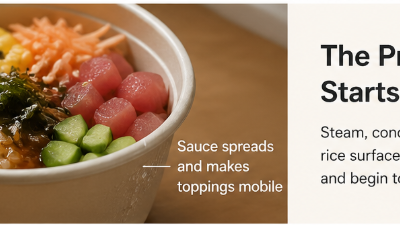
Most operators don’t lose customers because toppings “slightly shift.” They lose them when a carefully arranged sushi bowl arrives looking like it’s already been stirred. At that point, it’s not just a visual issue—it signals poor quality, even if the ingredients are...
Should biryani bowl packaging be sealed or ventilated without ruining texture
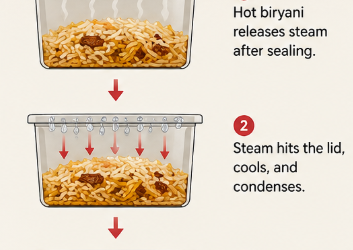
If you’ve ever sent out a perfectly layered biryani bowl only to see it come back as a soggy, compressed mess, you already know this isn’t a simple packaging question. It’s not about choosing “sealed” or “ventilated” as a static option. It’s about understanding why...