
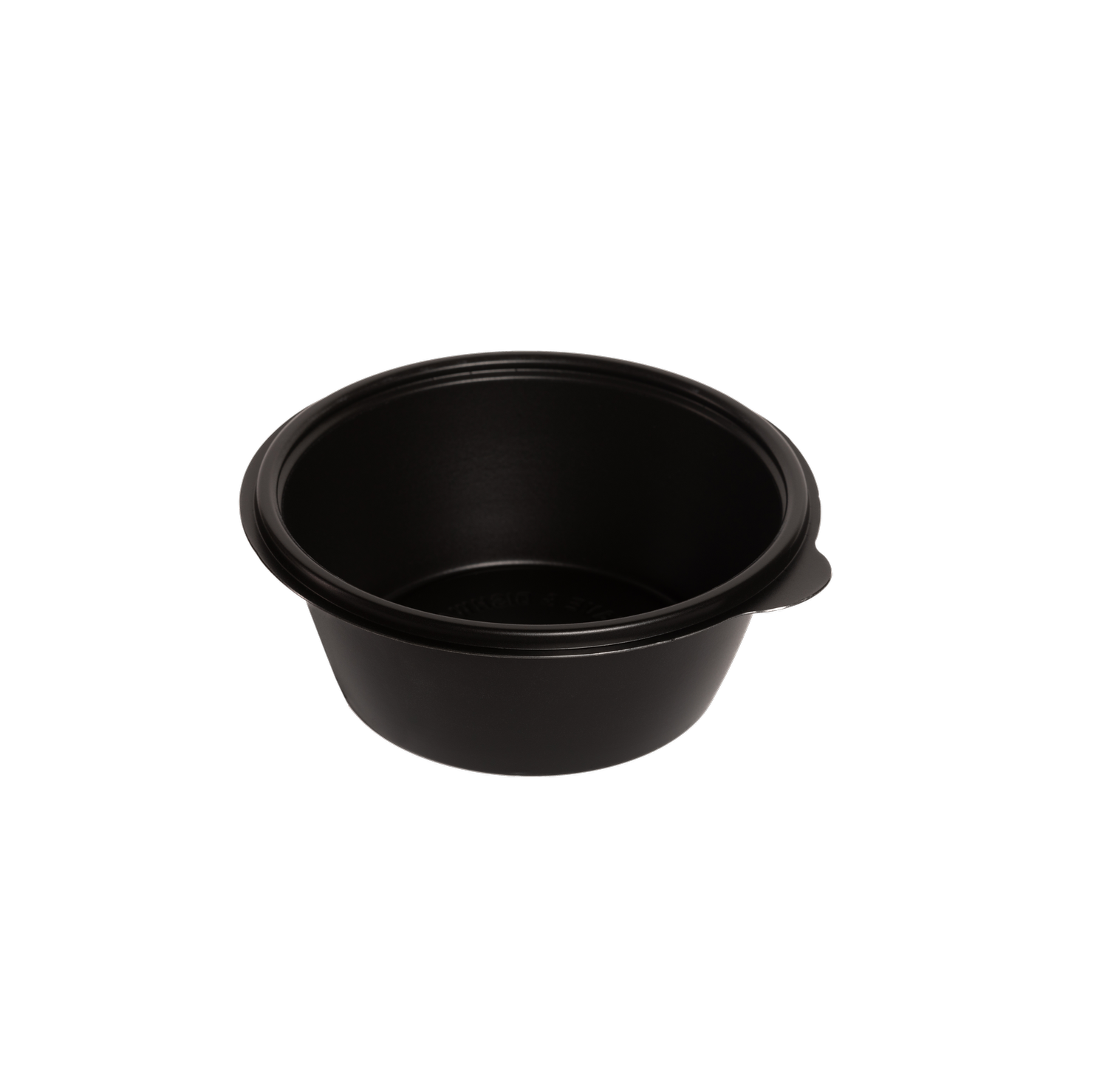
The demand for microwave-safe, lightweight, and structurally reliable ramen bowls has grown rapidly alongside the global expansion of instant noodle brands and convenience food channels. For buyers sourcing from China, MFPP ramen bowls have become a preferred alternative to traditional EPS or solid PP containers, especially in markets with tightening food-contact and sustainability expectations.
This article focuses on identifying ten verified MFPP ramen bowl manufacturers in China that are relevant to professional buyers. Rather than presenting a generic supplier list, the selection is based on material capability, product suitability for hot soup applications, and consistency in wholesale production.
Understanding MFPP and Its Role in Ramen Bowl Packaging
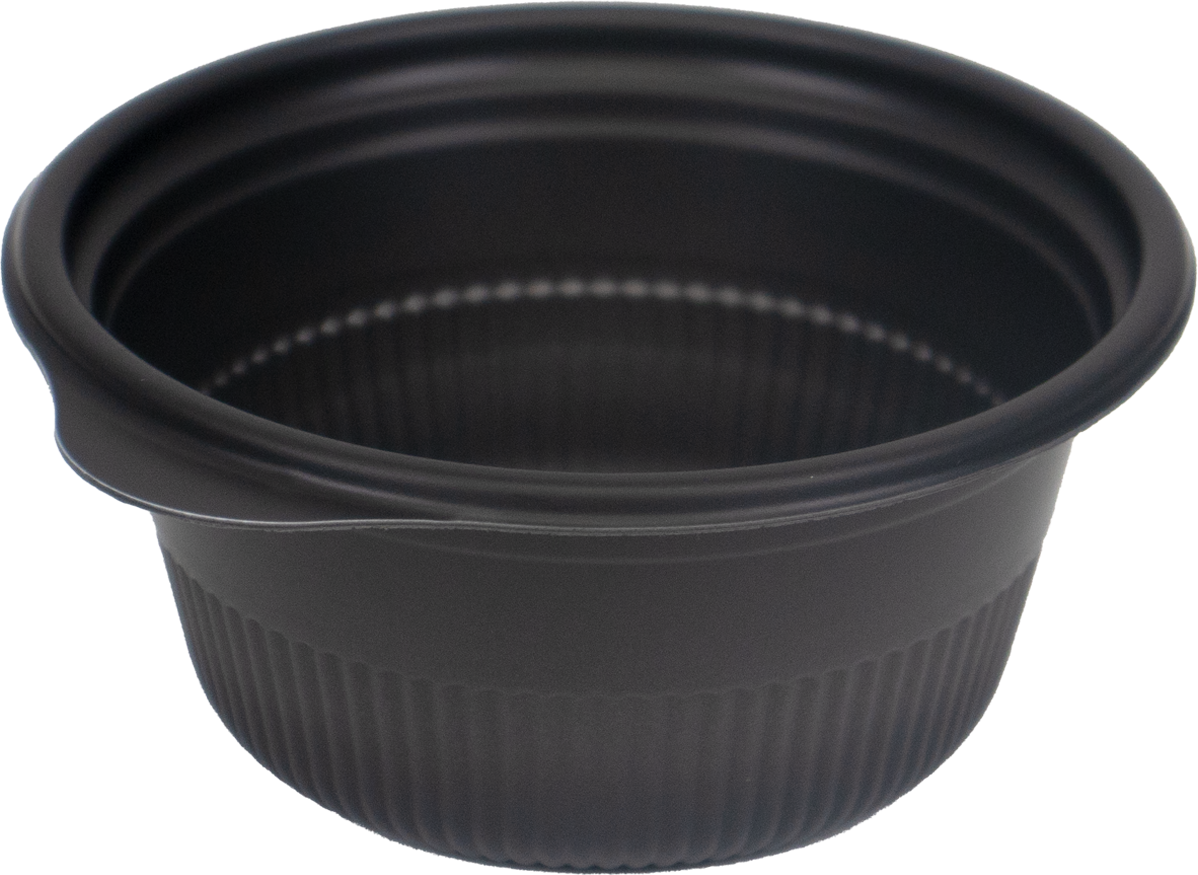
MFPP, short for Microwaveable Foam Polypropylene, is a foamed PP structure engineered to balance heat resistance with lightweight insulation. Unlike solid polypropylene, MFPP introduces a microcellular foam layer that improves thermal retention while reducing material weight. This structure is particularly important for ramen bowls, where boiling water is poured directly into the container and often followed by microwave reheating.
From a compliance standpoint, MFPP is widely adopted because it can meet FDA 21 CFR and EU 10/2011 food-contact standards when produced with food-grade resin. Compared with EPS, MFPP is more acceptable in markets where styrene-based materials face regulatory or brand-level restrictions. These factors explain why many instant noodle brands and foodservice operators now specify MFPP as a baseline requirement when working with a ramen bowl packaging manufacturer for global distribution.
What Professional Buyers Should Evaluate Before Selecting a Supplier
Not every factory offering “PP bowls” is suitable for MFPP ramen bowl sourcing. One of the most common issues buyers encounter is confusion between solid PP injection bowls and true PP foam products. While both may be labeled microwave-safe, their performance under hot liquid load differs significantly.
A credible supplier should demonstrate stable MFPP foam density, consistent wall thickness, and proven bowl depth suitable for ramen portions. Equally important is whether the manufacturer can supply compatible lids, especially vented options designed to release steam during reheating. For buyers working on private label programs, mold ownership, artwork handling, and long-term consistency matter just as much as initial pricing.
These criteria are especially relevant for importers evaluating a custom MFPP ramen bowl factory with export experience, where documentation, communication, and repeatability directly affect downstream risk.
Hefei Summate and Its Position in Export-Oriented MFPP Production
Hefei Summate has built a strong reputation in the disposable food packaging sector by focusing on export markets with strict compliance requirements. Its MFPP ramen bowl line covers multiple capacities designed for instant noodles and hot soup applications, with lids engineered to maintain fit under thermal stress.
Buyers often work with Summate when they need a food-grade MFPP ramen bowl manufacturer serving North America, as the company is accustomed to providing complete compliance documentation and stable lead times. While its pricing may not be the lowest, it appeals to brands prioritizing reliability over short-term cost savings.
Wenzhou Daqiao’s Strength in Cost-Controlled PP Foam Solutions

Wenzhou Daqiao represents a different positioning within the MFPP ramen bowl landscape. The company’s strength lies in mature PP foam processing and competitive pricing for standard bowl designs. Its ramen bowls are widely used in price-sensitive markets where functional performance is required without extensive customization.
For buyers seeking a bulk MFPP ramen bowl supplier with stable output, Daqiao can be a practical option, particularly when the project does not require complex mold development or unique rim structures.
Zhejiang Jinyun’s Focus on Structural Stability for Hot Soup Bowls
Zhejiang Jinyun specializes in foam polypropylene products with an emphasis on structural integrity. Its MFPP ramen bowls are known for thicker, more uniform walls that reduce deformation during prolonged heat exposure.
This makes Jinyun relevant for buyers developing premium instant noodle products or export lines that require consistent performance across large volumes. Many sourcing teams view the company as a reliable MFPP ramen bowl factory for long-term wholesale contracts, even though minimum order quantities tend to be higher.
Xiamen Bioleader as a Compliance-Focused Supplementary Option
Xiamen Bioleader offers MFPP ramen bowl models within a broader portfolio of microwaveable food packaging. While not all of its bowl SKUs use foam polypropylene, selected designs are suitable for ramen applications and backed by comprehensive testing data.
Bioleader is often considered by buyers who place heavy emphasis on documentation and third-party verification. As such, it can function as a secondary MFPP ramen bowl supplier for regulated markets, rather than a primary volume source.
Shenzhen Longxing and Its Speed-to-Market Advantage
Shenzhen Longxing has earned attention for its responsiveness and flexible production scheduling. Its MFPP ramen bowls are designed around mainstream sizes and paired with practical lid solutions, making them suitable for rapid deployment projects.
Brands launching new SKUs or running short-term promotions may find Longxing appealing as an OEM MFPP ramen bowl partner for fast turnaround, especially when timing is more critical than extensive customization.
JunhuiPack’s Alignment with Instant Noodle Applications

JunhuiPack stands out for its direct focus on MFPP and PP foam food packaging tailored to instant noodle and hot soup use cases. Its ramen bowls emphasize balanced foam density to achieve both insulation and rigidity, reducing the risk of collapse during filling and reheating.
The company supports private label programs and offers controlled customization on bowl depth and rim structure. This makes JunhuiPack a suitable ODM MFPP ramen bowl manufacturer for growing food brands that require consistency without excessive development overhead.
Ningbo Hongtai’s Logistics-Oriented Manufacturing Model
Ningbo Hongtai benefits from its proximity to major export ports, which can simplify logistics planning for overseas buyers. Its MFPP ramen bowls cover standard capacities and are designed for compatibility with commonly used lids.
While customization options are more limited, Hongtai appeals to buyers prioritizing supply chain efficiency, functioning well as a China-based MFPP ramen bowl supplier with logistics advantages.
Jiangsu Jinsheng and Long-Term Production Stability
Jiangsu Jinsheng is often associated with production consistency rather than aggressive pricing. Its MFPP ramen bowls are manufactured with tight process control, helping ensure minimal variation between sample approval and bulk delivery.
For procurement teams managing ongoing programs, Jinsheng can serve as a stable MFPP ramen bowl manufacturing partner for continuous supply, particularly in high-volume scenarios.
Taizhou Fuling’s Limited but Practical MFPP Offering
Taizhou Fuling provides a narrower range of MFPP ramen bowl models compared with others on this list. However, its standard designs meet basic functional requirements and are suitable for buyers with straightforward needs.
It is typically considered a supplementary MFPP ramen bowl factory for wholesale sourcing, rather than a core strategic supplier.
Hubei Yusheng and Flexible Entry-Level Programs
Hubei Yusheng is known for offering more flexible order structures, which can be attractive to newer brands or regional distributors. Its MFPP ramen bowls focus on practicality and cost control while maintaining acceptable heat resistance.
As a result, Yusheng is often selected as a cost-conscious MFPP ramen bowl supplier for emerging markets, where scalability and affordability are key concerns.
Practical Guidance for Sourcing MFPP Ramen Bowls from China
Successful sourcing of MFPP ramen bowls depends on more than identifying capable factories. Buyers should verify foam structure, request microwave and hot-liquid test results, and confirm that compliance documents correspond to the actual production material. Clear communication around mold terms, quality tolerances, and after-sales support can significantly reduce risk during scale-up.
For importers and brand owners alike, working with a professional MFPP ramen bowl manufacturer aligned with your target market is often the difference between a smooth rollout and costly revisions after launch.