
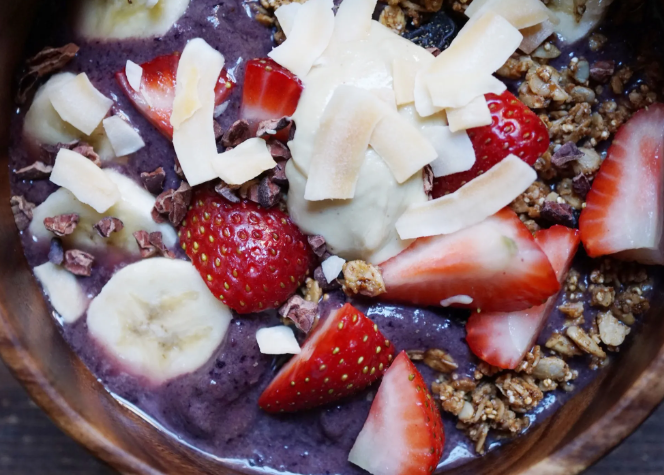
The deep-purple aesthetic of the açaí bowl has become a global cultural shorthand for “wellness.” From the high-traffic kiosks of Dubai to the minimalist cafes of Los Angeles, this Amazonian superfood is marketed as the ultimate nutritional silver bullet. However, as we move through 2026, the “health halo” that has long shielded the industry is being dismantled by a more skeptical, data-driven consumer base. Modern diners are no longer satisfied with a vibrant Instagram post; they are scrutinizing metabolic impact, glycemic response, and the environmental ethics of the supply chain. For procurement managers and brand architects currently vetting a customized acai bowl packaging supplier, this shift in consumer consciousness is critical. You are no longer just selling a frozen snack; you are selling a functional health promise that must be reflected in both the chemical makeup of the food and the physical integrity of the vessel.
The Biological Blueprint: Why Raw Açaí is a Genetic Miracle
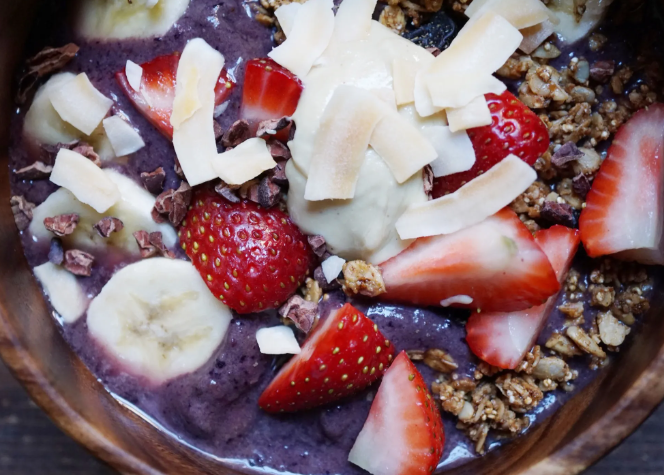
To settle the debate over the “healthiness” of açaí, we must first analyze the raw pulp before it is manipulated by retail additives. In its natural state, the açaí berry is a biological outlier. Unlike the vast majority of fruits—which are essentially biological storage units for fructose—the açaí berry contains almost no sugar. Its caloric identity is defined by its fatty acid profile. Approximately 70% to 80% of its calories are derived from healthy fats, primarily oleic acid (the heart-healthy monounsaturated fat found in premium olive oil) and linoleic acid.
This creates a savory, earthy base that offers a creamy mouthfeel without the insulin spike associated with tropical fruits like mango or pineapple. Furthermore, açaí is a fiber powerhouse. A $100g$ serving of pure, unsweetened puree provides a significant hit of dietary fiber, which acts as a “buffer” for other carbohydrates, slowing down the rate of sugar absorption. For a food brand looking for a wholesale rPET acai bowl factory, the challenge is to communicate this “clean” nutritional profile through the packaging. High-clarity containers allow the rich, natural texture to be visible, signaling to the consumer that the product inside hasn’t been over-processed into a sugary syrup.
The “Sugar Bomb” Metamorphosis: Commercial Realities
The controversy regarding “healthy” açaí stems entirely from the transition from the rainforest to the retail counter. Because pure açaí is earthy and lacks the sweetness that global palates expect, the commercial industry has spent a decade “reconstructing” its flavor profile. Most juice bars blend the pulp with apple juice, sweetened almond milk, or honey. By the time this base is dispensed into a container provided by an oem rPET acai bowl supplier, the sugar count has often skyrocketed from zero to over $45$ grams. For perspective, that is more sugar than a standard chocolate bar.
This caloric escalation is worsened by the “crunch” factor. Granola, while nutrient-dense, is often a vehicle for hidden syrups. This creates a massive glycemic load that can cause a rapid rise in blood glucose, followed by an inevitable energy crash. For brands trying to mitigate this, the solution lies in “structural nutrition.” This has led to an increased demand for a customized acai bowl manufacturer for wholesale buyers that can design dual-compartment or “topping-separator” lids. By keeping the high-calorie toppings separate from the moist base, brands can encourage mindful consumption and preserve the product’s crunch without needing to drench the granola in shelf-stabilizing preservatives.
Anthocyanins and the Physics of Preservation
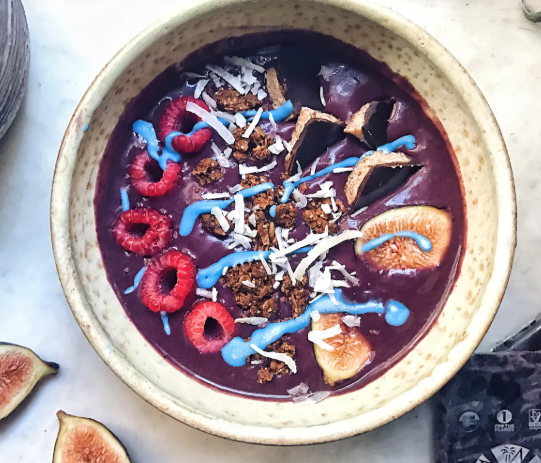
The primary functional selling point of açaí is its antioxidant capacity, specifically its concentration of anthocyanins. These are the water-soluble pigments responsible for its deep color and its most significant health claims, including improved heart health and reduced cellular inflammation. On the Oxygen Radical Absorbance Capacity (ORAC) scale, açaí leaves almost every other fruit in the dust. Clinical research suggests that these polyphenols can improve “vasodilator function,” allowing blood vessels to remain flexible and lowering the long-term risk of hypertension.
However, these antioxidants are notoriously unstable. They are sensitive to photo-oxidation (light) and oxidation (oxygen). If the fruit is exposed to too much light or air during storage, the antioxidant potency drops significantly. This is a technical detail that procurement teams often overlook. When you choose a rPET acai bowl packaging factory for foodservice brands, you are essentially choosing a biological shield. The thickness of the rPET walls and the precision of the airtight seal are not just about preventing leaks; they are about preventing the degradation of the very molecules that justify the “superfood” price tag. A flimsy container is a sign of a compromised product.
Neuroprotection and the Science of “Clean” Brains
Emerging studies in the mid-2020s have brought açaí into the spotlight for its potential neuroprotective effects. Researchers have found that açaí polyphenols may facilitate “autophagy”—the brain’s internal recycling system that clears out damaged cells and toxic proteins. This has massive implications for long-term cognitive health and the prevention of age-related decline. For a consumer, this is a powerful reason to choose açaí over a standard smoothie or bowl of oatmeal.
For the business owner, this “brain health” narrative requires a high level of transparency. Consumers who buy for neuroprotection are often the most scrutinizing. They want to know the “Chain of Custody” of the ingredients. This transparency must extend to the packaging. By partnering with a wholesale acai bowl packaging supplier that uses GRS-certified (Global Recycled Standard) materials, a brand can prove that its commitment to “cleaning up the brain” is matched by its commitment to cleaning up the environment. The vessel must match the value of the contents.
Engineering the Future: How to Build a Better Bowl
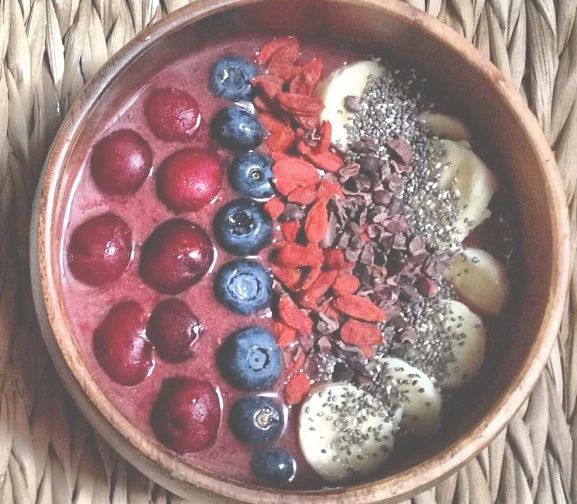
So, how does a brand create a truly healthy açaí bowl in a skeptical market? The answer is a “Macros-First” design philosophy.
-
Base Integrity: Use 100% unsweetened pulp blended with a low-sugar liquid like water or unsweetened nut milk.
-
Protein Intervention: To prevent the insulin spike, a bowl must contain protein. Many brands are now integrating collagen or pea protein directly into the frozen base.
-
Physical Design: Portion control is the final frontier. The standard $16oz$ bowl is often too much for a single sitting. Leading brands are now working with their custom rPET acai bowl manufacturer to develop $8oz$ and $12oz$ options that are ergonomically designed to feel substantial while offering a more controlled caloric intake.
Working with a specialized wholesale acai bowl container factory allows for the creation of proprietary shapes that can include “portion markers” inside the bowl. This helps kitchen staff maintain consistency and helps the consumer understand exactly what they are eating. In the world of high-volume foodservice, consistency is the bedrock of trust.
Final Verdict: Sourcing for the Conscious Consumer
Is the açaí bowl actually healthy? It is a tool, not a miracle. When built with high-protein, low-sugar ingredients and served in a sustainable, portion-controlled vessel, it is one of the most nutrient-dense meals on the planet. When treated as a sugary dessert, it is a metabolic liability. For those in the procurement space, the takeaway is clear: your choice of a wholesale rPET acai bowl packaging supplier is a statement of intent. It tells your customer whether you are prioritizing their long-term health, or just chasing a visual trend.
The future of the wellness industry belongs to brands that can bridge the gap between “looking healthy” and “being healthy.” By securing a partnership with a reliable customized acai bowl packaging manufacturer, you are ensuring that your brand is positioned on the right side of that divide. The packaging is the first thing the customer touches; let it be a reflection of the integrity of what lies inside.