
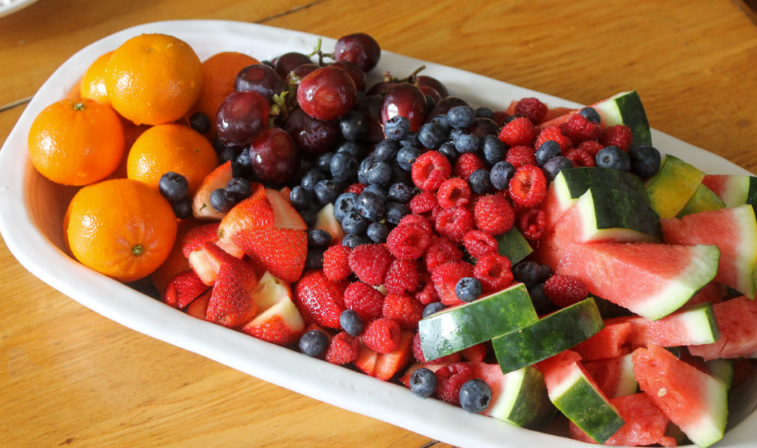
Most people don’t remember exactly who brought the fruit tray to a party, but they always remember whether it looked good or not. A fresh, balanced fruit tray tends to empty quietly over the course of the event. A poorly prepared one sits untouched, slowly losing color and shape. That difference usually has less to do with creativity and more to do with a few practical choices made early on.
It’s not an accident that fruit trays at weddings, corporate events, or hotel breakfasts always seem to last longer. Those setups borrow heavily from foodservice habits and, in many cases, from trays produced by a custom fruit tray manufacturer that already understands how fruit behaves once it’s cut and served. The same thinking works just as well at home.
Choose the Right Fruits for Your Party Tray

Fruit selection decides the outcome before you even pick up a knife. Some fruits cooperate no matter how casually they’re handled. Others look promising and then fall apart the moment they’re sliced. Experience usually teaches this the hard way.
Fruits that stay firm, hold color, and don’t leak too much liquid tend to make everything easier. Grapes, berries, melon, pineapple, kiwi, and citrus slices rarely cause trouble. They also give you contrast without having to force it. When fruits naturally look different from one another, the tray already feels balanced.
Season matters more than presentation tricks. Fruit that’s in season cuts cleaner and tastes better, which solves two problems at once. If it smells good before it’s cut and doesn’t feel fragile in your hand, it’s usually a safe choice. Out-of-season fruit often looks fine from the outside but disappoints once it’s on the tray.
There are also fruits that people keep using out of habit even though they almost never work. Bananas brown too fast. Very soft fruits lose their shape as soon as they’re touched. Anything that releases a lot of juice eventually makes the tray look messy. These are the same issues large events try to avoid by working with a fruit tray factory that designs trays around drainage and spacing.
As for quantity, more isn’t always better. Fruit trays look best when they feel full without being crowded. Spreading fruit across a wider surface almost always looks better than stacking it high, which is why caterers often rely on wide formats from a fruit tray manufacturer for wholesale buyers instead of deep containers.
Tools and Materials You’ll Need
You don’t need much equipment, but poor tools slow everything down. A sharp knife does most of the work. A smaller knife helps with detail cuts. Drying fruit properly after washing makes a bigger difference than most people expect, especially for berries and grapes.
The tray itself tends to get overlooked. Thin, flexible trays bend under weight and make everything slide toward the center. Sturdier trays hold their shape and make spacing easier. This is why disposable yet rigid options from a custom fruit tray supplier are common for events where transport and setup matter.
Decorative accessories should stay in the background. Toothpicks or small forks make serving easier. Anything purely decorative should be used lightly. Professional setups using trays from a fruit tray supplier for wholesale buyers focus on usability first, and that mindset keeps things looking neat longer.
Fruit Preparation Techniques to Prevent Browning
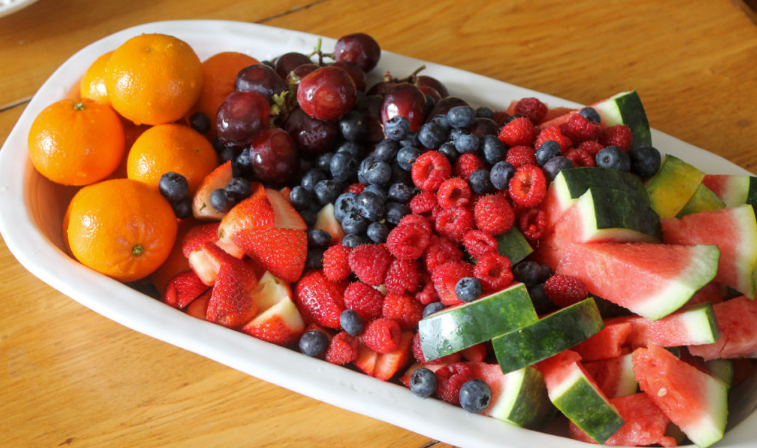
This is where patience matters. Rushing preparation almost always shows later. Fruit should be washed gently and dried well. Excess moisture dulls color and creates pooling at the bottom of the tray.
Cutting doesn’t need to be perfect, but it should feel deliberate. Pieces that are roughly the same size look intentional, even if they’re not identical. Apples and pears need a bit of help. A light coating of citrus juice slows browning enough to get through the event without affecting flavor.
Timing solves half the problems people blame on fruit. Firmer fruits can be cut hours ahead and kept cold. Softer fruits behave better when they’re cut closer to serving time. Trying to prepare everything too early is one of the most common reasons trays look tired. Even large-scale catering operations using trays from an ODM fruit tray factory still respect this timing.
Creative centerpieces can work, but only when they’re treated as accents. One watermelon basket or pineapple base is usually enough. More than that tends to crowd the tray and make serving awkward.
Step-by-Step Assembly Guide for Visual Impact

Assembly doesn’t need rules so much as awareness. Larger fruit pieces naturally create structure. Smaller fruits soften edges and fill space. Working from the center outward usually keeps things balanced without much effort.
Color contrast does most of the visual work. When fruits are placed so their colors don’t compete, the tray looks composed even before decoration. Slight overlapping adds depth and makes the tray feel generous. This layered look is standard for displays built on trays from a fruit tray manufacturer for catering and wholesale buyers, but it’s easy to recreate at home.
Final adjustments matter more than initial placement. Small gaps can be filled quietly. Garnishes should feel like part of the fruit, not something added on top.
Create Delicious Fruit Dips (Optional but Recommended)
Fruit dips aren’t necessary, but people tend to notice when they’re there. Simple dips usually disappear first. Yogurt-based or cream-based options pair well with most fruits and don’t overwhelm them.
Chocolate dips are popular but messy. Keeping them separate avoids smearing and hardening. Placement matters more than variety. In professional setups, inserts designed by an OEM fruit tray manufacturer keep dips stable, but a thoughtfully placed bowl works just as well at home.
Themed Fruit Tray Ideas for Different Occasions
Different events call for different energy. Holiday trays lean toward bold colors and familiar shapes. Children’s parties favor recognizable fruits arranged playfully. Formal gatherings benefit from restraint, where even spacing and clean cuts quietly signal professionalism.
When budgets are tight, fewer fruit types usually look better than many. This is why planners often rely on consistent tray formats from a fruit tray manufacturer for wholesale buyers instead of constantly changing designs.
Storage and Serving Tips to Keep Fruit Fresh
Once assembled, fruit trays last longest when they stay cool and shaded. Heat and light shorten freshness quickly. Covering trays until serving helps preserve texture and color.
Utensils keep things orderly and hygienic. Leftover fruit can still be used if it’s stored promptly. These same habits guide operations at any fruit tray factory serving foodservice clients, and they apply just as well at home.
Common Mistakes to Avoid When Making Fruit Trays
Most fruit trays don’t fail dramatically. They just slowly lose appeal. Overcrowding, poor timing, and fruit that wasn’t meant for slicing cause most of the issues. Inconsistent cutting and unstable arrangements don’t help either.
These are the exact problems professionals solve by working with a custom fruit tray manufacturer that designs trays for real use, not just appearance. Borrowing those lessons makes a noticeable difference.
Final Thought
A good fruit tray doesn’t demand attention. It quietly fits into the party and does its job. When fruit is chosen with care, prepared with patience, and arranged with balance, the tray stays inviting from the first guest to the last. That’s the same goal whether you’re hosting friends at home or sourcing trays from a reliable fruit tray supplier for wholesale buyers.