
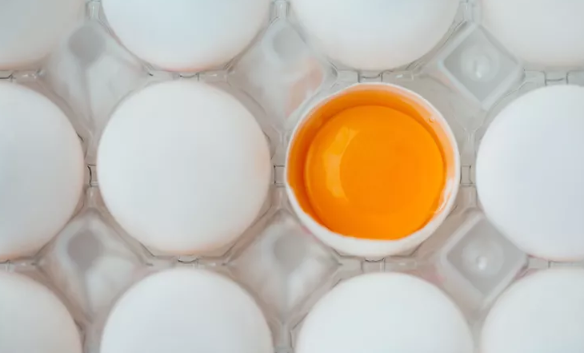
Many people only realize eggs shouldn’t be frozen in their shells after opening the freezer and finding a small disaster waiting inside. Cracked shells, leaked whites, and frozen messes are common, but the real issue isn’t the cleanup. It’s what you can’t see.
Eggs are mostly water. That matters more than the shell itself. When water freezes, it expands, and it does so with enough force to create pressure inside anything that can’t flex. An eggshell looks strong, but it’s brittle. It doesn’t stretch, and it doesn’t adapt to internal changes. Once freezing begins, the liquid inside pushes outward, and the shell has no way to absorb that stress.
Sometimes the shell breaks cleanly and obviously. Other times, the damage is subtle. Hairline cracks form that are easy to miss when the egg is frozen solid. The problem shows up later, during thawing, when moisture moves and those cracks widen just enough to let bacteria travel inward.
This is why frozen shell eggs are considered unreliable from a safety standpoint. Even if an egg looks intact after freezing, the protective barrier may already be compromised. Photos comparing frozen eggs make this clear. Some shells burst dramatically, others barely show damage, but the internal structure is almost always affected in some way, which is why shell-on freezing is rarely recommended in egg tray handling or storage workflows.
Freezing eggs in their shells isn’t just ineffective. It introduces risks that don’t exist when eggs are prepared properly beforehand, especially in scenarios involving bulk handling from an egg tray supplier or egg tray manufacturer.
Testing Egg Freshness Before Freezing

Freezing an egg doesn’t reset its age. Whatever condition the egg is in at the moment it enters the freezer is the condition it will return to later. That makes freshness checks more important than most people think.
One of the simplest ways to gauge freshness is the water test. A fresh egg sinks and lies flat at the bottom of a bowl. As time passes, air slowly enters through the shell. Older eggs begin to tilt upward. Eggs that float completely have already passed the point where freezing makes much sense, particularly in wholesale handling environments.
Smell and appearance also matter, especially with eggs that didn’t come from a supermarket. Backyard and farm eggs vary more than store-bought ones. Any unusual odor, cloudiness, or discoloration should be taken seriously. Freezing eggs that are already questionable doesn’t improve safety later, even if they are stored using standardized egg tray systems.
Age affects texture too. Eggs that are technically still edible but no longer fresh tend to thaw poorly. Whites lose structure, and yolks behave unpredictably. Starting with the freshest eggs available leads to noticeably better results after freezing.
Choosing Your Freezing Method: Whole, Whites, or Yolks

Not all eggs need to be frozen the same way. The best method depends on how the eggs will be used later, not on what’s most convenient at the moment.
Freezing whole eggs works well for general cooking. After thawing, they behave predictably in baked dishes, scrambled eggs, and casseroles. Egg whites are even easier. They tolerate freezing well and retain much of their original function. Yolks, however, are a different story.
On their own, yolks don’t freeze gracefully. Without preparation, they thicken into a gel-like texture that surprises many people the first time they thaw one. This change isn’t a defect. It’s simply how yolk proteins respond to cold.
Choosing the right format ahead of time avoids frustration later. Eggs frozen with a purpose tend to be far more useful than eggs frozen simply to avoid waste, which is also how many food operations align freezing decisions with custom handling or storage solutions from an egg tray factory.
How to Freeze Whole Eggs

Freezing whole eggs starts as soon as the shell is cracked. The whites and yolks need to be blended until uniform, but no further. Overmixing introduces air, and air becomes a problem during freezing. The result after thawing can be uneven and slightly spongy.
Stabilizers help prevent texture issues. A small amount of salt or sugar changes how egg proteins behave at low temperatures. The choice depends on how the eggs will be used later. Eggs destined for savory cooking benefit from salt. Those intended for baking perform better with sugar. This isn’t about flavor at this stage. It’s about structure.
Portioning the mixture before freezing simplifies everything later. Measuring frozen eggs is inconvenient and rarely accurate. Freezing eggs in known amounts allows recipes to stay consistent. Ice cube trays work well because the volume is predictable and easy to manage, especially when eggs are staged after removal from egg tray storage.
Some people strain the egg mixture to remove the thick strands attached to the yolk. This step isn’t required, but it does create a smoother texture, especially for baked goods. Whether it’s worth doing depends on how particular you are about final results.
Clear labeling matters more than it seems. Frozen eggs all look the same once stored. Dates, quantities, and intended use prevent confusion months later, particularly in wholesale kitchens or shared freezer environments.
How to Freeze Egg Whites Only
Egg whites are the most forgiving part of the egg when it comes to freezing. Their protein structure holds up well, which is why they don’t require stabilizers.
Clean separation is critical. Even a small amount of yolk fat can interfere with how whites behave after thawing, especially if they will be whipped. Separating eggs while they are cold makes the process easier and more precise, a step often standardized in operations supplied by a plastic egg tray manufacturer.
Once portioned, whites freeze cleanly and store well. After thawing, they perform reliably in recipes that depend on volume and structure. Meringues, angel food cake, and royal icing all benefit from properly frozen whites, often with little noticeable difference from fresh ones.
How to Freeze Egg Yolks Only
Egg yolks require the most attention. Frozen on their own, yolks undergo a structural change that turns them thick and resistant. This texture doesn’t reverse on its own.
Adding salt or sugar prevents this issue, but timing matters. The stabilizer needs to be mixed in immediately. Delays lead to uneven texture that can’t be fixed later. Once stabilized, yolks freeze far more predictably, especially when processed in batches aligned with custom storage workflows.
Thawing yolks also requires care. While whole eggs and whites thaw well in the refrigerator or cold water, yolks often need gentle warmth to soften properly. This helps reverse the gel-like structure without cooking the yolk.
Measuring yolks before freezing keeps recipes consistent and avoids guesswork later.
Proper Thawing Techniques
Thawing deserves as much attention as freezing. Slow refrigerator thawing produces the best results and minimizes safety risks. It takes time, but the texture is more consistent.
Cold water thawing works when time is limited, as long as the eggs remain sealed and monitored. Yolks, once stabilized, may require warm water to become workable, but this step must be done carefully to avoid partial cooking.
Once thawed, eggs should be used promptly. Freezing pauses bacterial growth, but thawing restarts it. Thawed eggs should be treated like freshly cracked ones with a limited window of use, including in operations relying on paper egg tray supplier logistics.
Storage Container Options and Freezer Organization
Containers affect quality more than many people expect. Ice cube trays offer easy portioning, while freezer bags save space after freezing. Leaving enough headspace allows for expansion and prevents leaks.
Vacuum sealing reduces air exposure and helps maintain quality during longer storage. Placement within the freezer also matters. The coldest, most stable zone minimizes temperature fluctuations that contribute to texture degradation. Freezing eggs flat helps them freeze faster and more evenly, whether in home or wholesale cold storage setups.
Shelf Life and Quality Timeline
Frozen eggs remain safe for many months, but quality peaks much earlier. Most people notice the best results within the first few months. Over time, texture changes and flavor dulling become more noticeable, even if the eggs are still safe to eat.
Rotating frozen eggs prevents waste and keeps quality consistent. Using older portions first avoids disappointment later, a principle also applied in professional environments using egg tray inventory systems.
Recipe Conversion Guide: Using Frozen Eggs
Frozen eggs work best in recipes where eggs are fully incorporated. Baked goods, casseroles, and scrambled dishes tend to mask minor texture changes. Measuring portions accurately matters more than counting eggs.
They are less suitable for dishes that rely on intact structure, such as poached or fried eggs. Custards and sauces may require gentler heat or small adjustments to compensate for texture differences.
Freezing eggs isn’t about perfection. It’s about extending usefulness while maintaining safety. When done with intention, and supported by appropriate egg tray factory, custom, or egg tray wholesale handling systems, frozen eggs become a quiet, dependable ingredient rather than a compromise.